TLDR
A root canal removes infected pulp from inside a tooth so you can keep your natural tooth instead of losing it. Local anesthesia numbs the area, so most people feel only pressure during treatment. Lingering tooth pain, long-lasting sensitivity to hot or cold, pain when biting, and swollen gums are common signs you may need one. Afterward, a few days of gentle care and a protective crown help the tooth heal and work normally again.
Root canals have an undeserved reputation for pain, yet the procedure is what relieves tooth pain. Rather than causing pain, a root canal stops nerve sensitivity and preserves your natural tooth for years to come.
At Aten & Garofalo Dentistry, we provide root canal treatment in Ballantyne, Charlotte, NC, to help restore your oral health, eliminate tooth pain, and protect your natural tooth from severe infection.
Our dentists, Dr. Aten and Dr. Garofalo, deliver gentle, comprehensive care while explaining costs up front and helping you understand any potential risks before the procedure.
What Is a Root Canal?
A root canal is a restorative procedure designed to eliminate pulp infection and save your natural tooth from extraction.
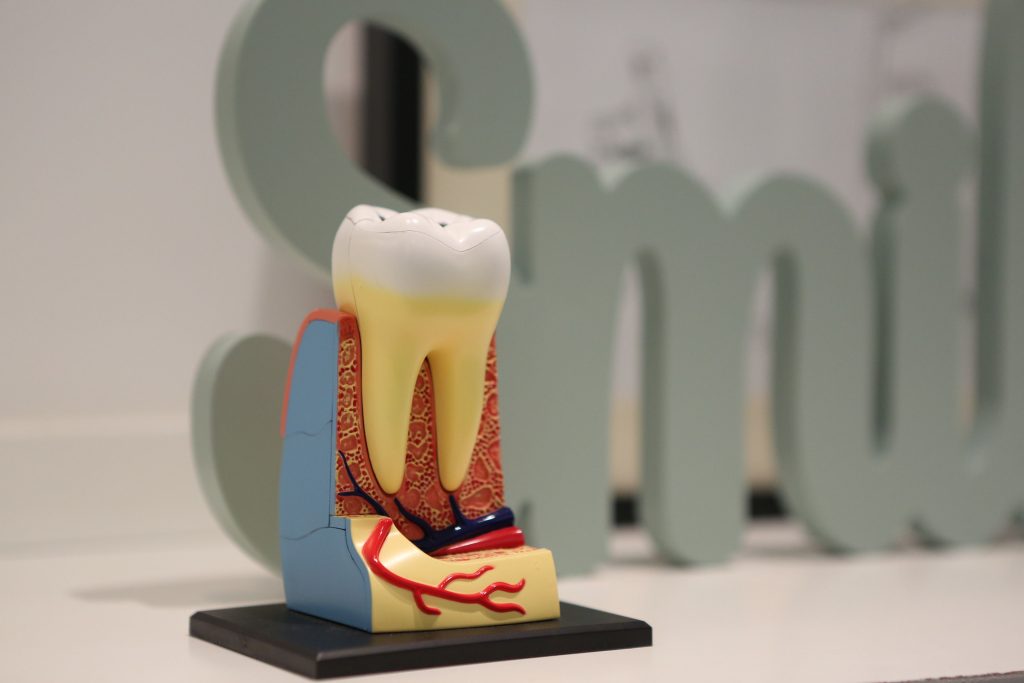
When deep decay or cracks allow bacteria to penetrate the pulp (the innermost part of your tooth), the nerve can become infected, causing swelling and pain.
Every tooth and every patient is different, so the right treatment plan depends on your individual needs. During your evaluation, we will assess the affected tooth, explain our findings, and discuss the treatment options available to you.
We want you to understand why a root canal may be recommended and what you can expect throughout the process.
Why Does Tooth Pulp Need to Be Removed?
Removing the compromised pulp stops the infection at its source, relieves nerve pressure, and prevents the loss of your natural tooth.
Some other benefits are:
- Halts the spread of infection: Eliminates bacteria before an abscess can form and damage the surrounding bone.
- Relieves pain: Removes the inflamed nerve endings that cause sharp aches.
- Prevents dental extractions: Saves your natural tooth without the need for an extraction.
- Protects overall health: Keeps the infection from spreading beyond the tooth and complicating your overall health.
What Are the Signs That You May Need a Root Canal?
If you notice any of the following symptoms, schedule an evaluation with our team so we can treat the problem before the infection spreads:
- Persistent tooth pain: Constant ache that lingers deep in the jaw.
- Prolonged sensitivity: Sharp pain from hot or cold drinks that lingers after the drink is gone.
- Pain when chewing: Discomfort when biting down often signals inflammation around the root tip.
- Swollen gums: Redness, puffiness, or a small bump on the gumline near the tooth.
What Happens During a Root Canal Procedure?
After taking digital X-rays to assess the tooth root, your dentist will use local anesthesia to numb the affected area. A protective rubber dam is placed to isolate the tooth.
Your dentist then removes infected pulp through a small access opening, disinfects and shapes the canals, and fills them with a rubber-like material called gutta-percha.
Finally, a temporary filling protects the tooth until a permanent crown is placed.
Does a Root Canal Hurt?
Root canal treatments eliminate severe pain rather than cause it.
Local anesthetics numb the area, so you feel only mild pressure during treatment. Any minor post-procedure tenderness in your gums is easily managed with over-the-counter pain relievers, and most soreness fades within a few days.
How Much Does a Root Canal Cost?
Root canal treatment costs depend on the tooth’s location and whether a protective crown is needed. Multi-canal molars, for example, require more extensive care than front teeth.
To simplify payment, we offer flexible financing through CareCredit, which divides remaining balances into manageable monthly payments.
We understand that the cost of dental treatment is an important consideration. Our team can help you understand your expected costs and submit your insurance claim on your behalf. For patients who need additional payment flexibility, third-party financing options such as CareCredit may also help make necessary treatment more manageable.
What Are the Risks and Complications of Root Canals?
Complications can arise if bacteria remain or if the tooth sustains trauma before being capped. Most common root canal risks are:
- Undetected canals that leave behind pockets of bacteria.
- Breakage of an endodontic file inside the narrow canal.
- Weakening of the tooth if the crown is delayed.
- Sensitivity in the surrounding nerves or sinus cavities directly above the upper molars.
How Should You Care for Your Tooth After a Root Canal?
Following targeted aftercare instructions helps your tooth heal and protects it. Here are some common instructions your dentist may give you:
- Avoid chewing until the local anesthesia subsides to prevent accidental bites to the cheek or tongue.
- Keep chewing pressure away from the treated tooth until the crown is placed to prevent cracks.
- Use ibuprofen or acetaminophen as directed to control post-treatment inflammation and tenderness.
- Continue brushing and flossing daily, but gently floss around the temporary restoration.
Where Can You Get a Root Canal in Ballantyne?

Living with a toothache, nerve pain, or sensitivity can disrupt your work, family time, and quality of life. At Aten & Garofalo Dentistry, we provide root canal treatment in Ballantyne, Charlotte, to eliminate pain at the source while preserving the natural structure of your tooth.
If you are dealing with tooth pain, sensitivity, or discomfort when chewing, getting an evaluation sooner can help prevent the problem from worsening. At Aten & Garofalo Dentistry, our goal is to identify the cause of your dental problem, clearly explain your treatment options, and provide the care you need to get your oral health back on track. Call us today for prompt relief and to schedule your appointment!
Key Takeaways
- Root canal therapy stops severe toothaches by removing the inflamed pulp.
- Removing infected pulp and sealing the canals saves your tooth, avoiding the need for extractions or implants.
- Tooth pain, temperature sensitivity, tender gums, and biting discomfort may signal an internal infection.
- Preserve your smile with our root canal treatment in Ballantyne, Charlotte. Schedule your visit with Dr. Aten and Dr. Garofalo at Aten & Garofalo Dentistry.
Sources
- https://atengarofalodental.com/
- https://atengarofalodental.com/dr-deborah-aten/
- https://atengarofalodental.com/dr-anthony-garofalo/
- https://atengarofalodental.com/contact/
- https://atengarofalodental.com/services/root-canals-ballantyne-nc/
- https://www.aae.org/patients/root-canal-treatment/root-canal-cost/
- https://www.webmd.com/oral-health/dental-root-canals
- https://www.aae.org/patients/root-canal-treatment/root-canal-pain/
- https://www.colgate.com/en-us/oral-health/root-canals/root-canal-complications-what-you-need-to-know