TLDR
Tooth sensitivity occurs when your enamel wears thin or your gums recede, exposing the nerves inside your teeth to triggers from hot and cold temperatures. It’s a sign that your teeth have lost their protective shield. While switching to a desensitizing toothpaste and a softer brush can help at home, persistent pain means you need a professional treatment to seal the exposed areas.
We’ve all been there: you take an iced or hot beverage, and suddenly your teeth and jaw hurt. While it might feel like something you can ignore, that sensitivity is usually a sign that the protective outer layers of your teeth have worn thin, leaving the sensitive nerves exposed.
At Aten & Garofalo Dentistry, we provide treatments for hypersensitive teeth in Ballantyne, Charlotte, to help relieve your dental pain and restore your quality of life.
Our dentists in Ballantyne, Charlotte, Dr. Aten and Dr. Garofalo, understand how severe tooth sensitivity can be and will provide effective treatments while educating you on everything you should know, including the symptoms of sensitive teeth.
What is Tooth Sensitivity?
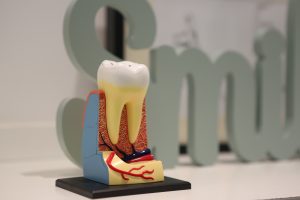
Tooth sensitivity, or dentin hypersensitivity, occurs when your tooth enamel wears down or gums recede, exposing the sensitive dentin layer. This allows triggers such as hot or cold temperatures to reach the nerves directly, causing sharp pain.
What Causes Sensitive Teeth?
Most of the time, sensitivity isn’t caused by a single big issue, but rather by a gradual wearing down. Understanding what causes sensitive teeth is important for proactive prevention. These causes include:
- Brushing your teeth too aggressively can scrub away the protective enamel over time.
- Acidic foods and drinks can chemically dissolve the outer layer of your teeth over time.
- Gum recession exposes the tooth roots, which lack the enamel layer that protects them.
- Grinding your teeth at night puts pressure on the structure, leading to micro-cracks and wear.
- Recent dental work, such as a deep cleaning or a new filling, can cause temporary sensitivity while the tooth heals.
What are the Symptoms of Tooth Sensitivity?
The hallmark of tooth sensitivity is a sudden, sharp pain that disappears almost as quickly as it arrives. Common dentin hypersensitivity symptoms include:
- A sharp pain that occurs when consuming ice-cold or steaming-hot beverages.
- Dental discomfort that flares up when you eat sugary or highly acidic treats.
- A sudden, painful sensation felt when breathing in air through your mouth.
- Sensitivity or pain that occurs while brushing or flossing along the gum line.
- Localized pain in one tooth or a generalized tooth sensitivity felt across your entire mouth.
How Can You Prevent Tooth Sensitivity?
Prevention is about being gentle with your mouth and treating your enamel like the precious resource it is. By making a few adjustments to your daily routine, you can keep that protective outer layer thick and strong. Here are common ways to prevent dentin hypersensitivity.
- Switch to a soft-bristle toothbrush to prevent physical wear on your enamel and irritation of your gum line.
- Rinse your mouth with water after eating acidic foods to neutralize the acids quickly.
- Wear a nightguard if you tend to clench or grind your teeth to prevent wear and micro-cracks.
- Use a fluoridated mouthwash to help remineralize and strengthen the outer layer of your teeth.
- Wait a few minutes before brushing after consuming acidic drinks so you aren’t scrubbing softened enamel.
What Can You Do About Sensitive Teeth?
If pain persists, switch to a desensitizing toothpaste to block temperature triggers from reaching the nerve. If ineffective after several weeks, a dentist can apply professional fluoride varnishes or bonding agents to create a more permanent protective shield over exposed areas.
How is Dentin Hypersensitivity Treated?
Dentin hypersensitivity treatments involve blocking the pathways that lead to your nerves. In cases where gum recession is the cause, a gum graft can cover the sensitive area, or a root canal might be suggested if the nerve is severely inflamed.
Common Home Remedies for Dentin Hypersensitivity
The goal of at-home care is to build a barrier over the tiny exposed areas of your teeth. These home remedies include:
- Using a desensitizing toothpaste helps block the tiny pores in your teeth so triggers can’t reach the nerve.
- Swapping to an extra-soft toothbrush prevents you from scrubbing away more enamel or irritating the gums.
- Rinsing with a saltwater solution can help reduce inflammation.
- Applying a small dab of sensitive toothpaste directly to the painful tooth before bed can help protect it.
- Cutting back on acidic drinks like soda and sparkling water helps prevent your enamel from being chemically thinned.
Effective Treatments for Dentin Hypersensitivity in Ballantyne, Charlotte

If your at-home efforts aren’t quite cutting it, it’s probably time to look into professional options. At Aten & Garofalo Dentistry, we provide top-quality treatments for individuals with tooth sensitivity in Ballantyne, Charlotte, offering specialized care that goes beyond standard home care. Contact us today to schedule your appointment!
Key Takeaways
- Dentin hypersensitivity occurs when the dentin layer under your enamel is exposed, allowing hot and cold triggers to hit the nerves directly.
- Brushing too hard or using a stiff toothbrush can wear down your enamel and push your gums back, worsening tooth sensitivity.
- Using desensitizing toothpaste and a nightguard for teeth grinding are the easiest ways to manage dentin hypersensitivity on your own.
- For long-term comfort and expert care for hypersensitive teeth in Ballantyne, Charlotte, visit our dental team at Aten & Garofalo Dentistry.
Sources
- https://www.hopkinsmedicine.org/health/conditions-and-diseases/sensitive-teeth
- https://www.healthline.com/health/sensitive-teeth
- https://www.medicalnewstoday.com/articles/324731
- https://www.webmd.com/oral-health/tooth-sensitivity
- https://atengarofalodental.com/
- https://atengarofalodental.com/dr-anthony-garofalo/
- https://atengarofalodental.com/dr-deborah-aten/
- https://atengarofalodental.com/contact/